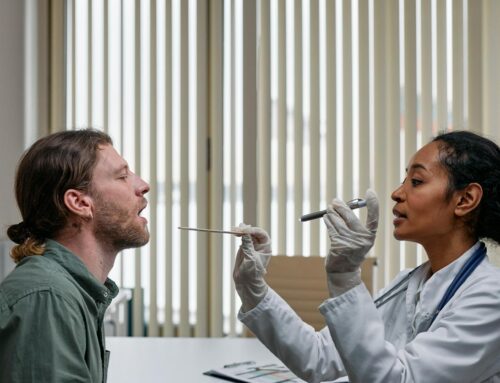
Men in the Treasure Valley are generally not the first to schedule a doctor’s appointment. Research consistently shows that men are significantly less likely than women to have a primary care provider, less likely to visit a doctor for routine care, and more likely to delay seeking attention when something feels off. Understanding why this happens — and what the cost tends to be over time — is part of what makes primary care conversations with men different.
Why Men Tend to Avoid Routine Medical Care
The reasons are well-documented and consistent across age groups. A sense of invincibility — particularly strong in younger men — often makes routine checkups feel unnecessary. There is also the practical element: taking time off work to sit in a waiting room for something that does not feel urgent is easy to deprioritize. For many men, the healthcare system itself feels unfamiliar or unwelcoming, and a first visit to a new provider can feel like more effort than it is worth.
Cultural expectations around stoicism and self-reliance play a role too. Acknowledging that something might be wrong — and then asking for help with it — runs against a deeply ingrained set of norms that many men carry. The result is that symptoms get dismissed, minor issues become bigger ones, and serious conditions get diagnosed later than they should.
What Routine Men’s Health Care Actually Involves
A men’s health visit with a primary care provider is not particularly complex or time-consuming. For most healthy men without existing conditions, an annual wellness visit covers a physical examination, a review of relevant screening tests based on age and risk factors, blood pressure and metabolic screening, and a conversation about lifestyle — sleep, stress, activity, diet — that may surface things worth monitoring.
The preventive screenings that matter most for men vary by age. According to CDC men’s health resources, conditions including high blood pressure, type 2 diabetes, high cholesterol, and certain cancers are often detectable before they produce noticeable symptoms. Regular screening makes it possible to identify and manage these conditions early — which almost always means simpler treatment and better outcomes.
The Specific Costs of Delayed Care
High blood pressure — extremely common and symptom-free for years in most cases — significantly increases cardiovascular risk over time. Type 2 diabetes, often manageable with lifestyle changes when caught early, can progress to complications affecting kidneys, vision, and nerve function when it goes undetected. Colorectal cancer, one of the most preventable cancers with appropriate screening, is routinely caught at later and more difficult-to-treat stages in men who have avoided their recommended colonoscopy.
A primary care relationship that involves annual visits creates a baseline — a picture of what is normal for a specific person — that makes it much easier to detect changes early and respond to them appropriately. Mayo Clinic’s men’s health guidelines reinforce that this preventive foundation is one of the highest-value investments a man can make in his long-term wellbeing.
Men’s Health Services at River Family Health
River Family Health provides comprehensive men’s health services in Boise, including annual wellness visits, preventive screenings, and ongoing condition management. The approach is direct and practical — no judgment about how long it has been since your last checkup, and no unnecessary complexity. If you are a man in the Treasure Valley who has been putting off establishing care, learn more about River Family Health or schedule online to get started.