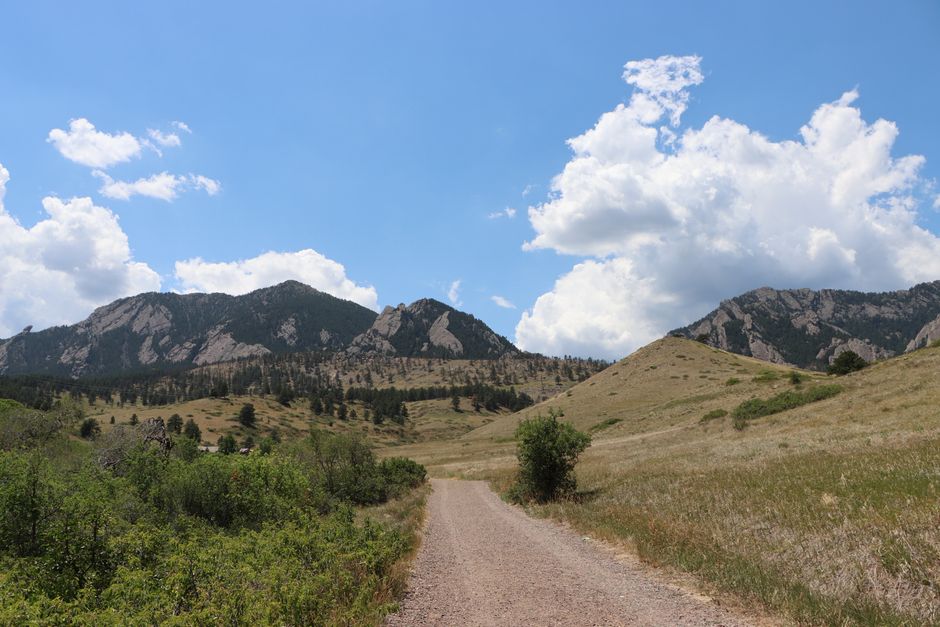
Summer in the Treasure Valley brings long days at Lucky Peak, baseball games in Meridian, and bike rides along the Greenbelt. It also brings something less welcome: stretches of triple-digit heat and, most years, a run of smoky days when wildfires push haze into the valley. For children — especially the youngest ones and those with asthma or allergies — that combination can put real strain on growing lungs. Knowing what to watch for makes a meaningful difference.
Why Treasure Valley Summers Are Hard on Small Lungs
Children breathe faster than adults and take in more air relative to their body size. That means they also take in more of whatever is floating in that air. When wildfire smoke drifts in from Oregon, California, or the Idaho backcountry, the fine particles known as PM2.5 can travel deep into the lungs and trigger inflammation that lasts well after the sky clears.
Heat compounds the problem. On days when Boise climbs past 95 degrees, ground-level ozone tends to rise too, and dehydrated airways are more reactive. A child who breezes through winter colds may suddenly struggle in August.
The Signs Parents Often Miss
Most parents recognize a full-blown asthma attack. The subtler signs are easier to overlook, and they are the ones worth catching early. Watch for a cough that lingers more than a few days after a smoky stretch, a child who quits playing sooner than usual, or one who breathes through the mouth even at rest. Complaints of a “tight” or “tickly” chest, throat clearing, and trouble sleeping flat are all worth a conversation with your doctor.
In younger children, look for faster-than-usual breathing, visible pulling in at the ribs or collarbone with each breath, and unusual fussiness during outdoor play. These are signals that the airways are working harder than they should be.
Children Who Need Extra Attention
Some kids carry more risk during smoke and heat events. Children with asthma, seasonal allergies, eczema, or a history of bronchiolitis as infants tend to react more strongly. So do children born prematurely and those with congenital heart conditions. Teen athletes training outdoors in August are another group worth flagging — their high breathing rates during practice mean higher exposure, even when the air looks only mildly hazy.
If your child falls into any of these groups, summer is not the time to wing it. A short visit in early June to review medications, refill rescue inhalers, and update an asthma action plan can prevent an unplanned trip to the emergency department in August.
Practical Steps for Smoky and Hot Days
Check the air quality index before outdoor plans. The Idaho Department of Environmental Quality posts daily readings for Boise, Meridian, and surrounding towns, and most weather apps now include AQI. When numbers climb above 100, sensitive kids should move activity indoors. Above 150, all children should stay in.
Run air conditioning with the recirculate setting when possible, and consider a portable HEPA air cleaner for the bedroom — a small one in the room where your child sleeps does more good than a larger one in a space they barely use. Keep water bottles full, schedule outdoor time for early morning, and save errands that involve walking for cooler, clearer days.
Why a Primary Care Relationship Matters Before Symptoms Start
Urgent care has its place, but it is not built for the back-and-forth that respiratory conditions often require. A pediatric care provider in Boise who already knows your child can compare today’s breathing to last month’s, adjust a controller medication without starting from scratch, and recognize when a “summer cough” is actually something more.
That continuity matters even more for chronic conditions. Asthma management, in particular, depends on small adjustments over time: stepping medication up before fire season, stepping it down when the air clears, and tracking which triggers matter most for your specific child. None of that happens well in a single walk-in visit.
When to Call, and When to Go In
Call your child’s doctor if a cough lasts more than a week after a smoke event, if you are using a rescue inhaler more than twice a week, or if your child is waking at night short of breath. These are signs that the current plan needs adjusting.
Seek immediate care if your child is breathing very fast, cannot speak in full sentences, has blue-tinged lips or fingernails, or seems confused or unusually sleepy. Heat-related warning signs — vomiting, no urination for eight hours, or a very high temperature without sweating — also warrant a same-day visit.
Getting Ready for the Rest of Summer
If your child has had any breathing trouble this season, or if you simply do not have a primary care provider you trust yet, now is a good time to schedule a well-visit. Bring a list of symptoms, note which days were smoky or especially hot, and ask about an action plan you can keep on the fridge. A short appointment in July or August can set up the rest of the season — and the school year that follows — for far easier breathing.
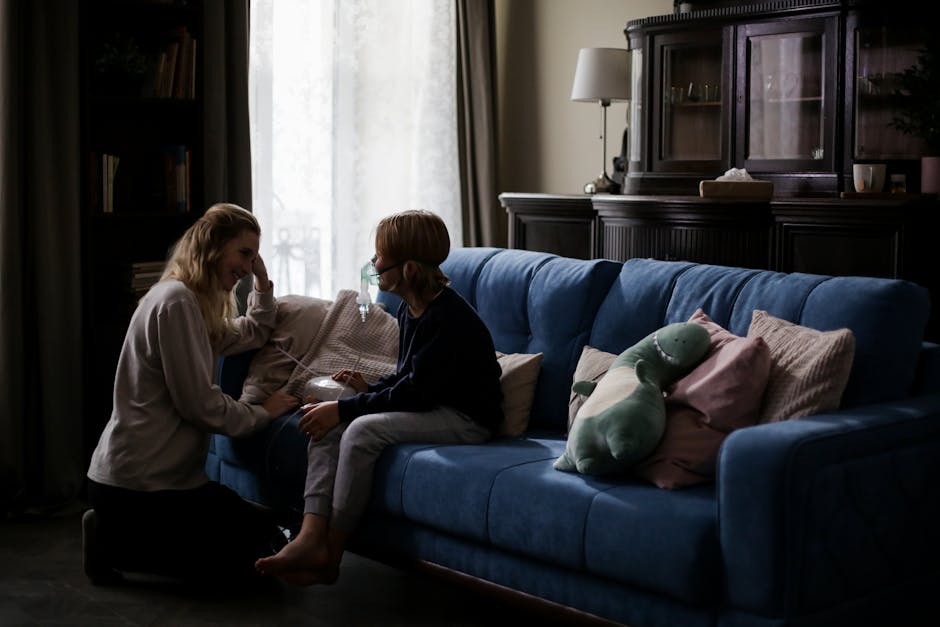
Featured image: Photo by cottonbro studio on Pexels.