Every July and August, the Treasure Valley strings together long runs of 95 to 100-plus degree days. Most of us know we should drink more water when it’s hot, but the standard advice glosses over the parts that matter most: how heat and dehydration interact with medications, blood pressure, blood sugar, and kidney function. For a healthy adult, mild dehydration is uncomfortable. For someone managing a chronic condition, the same fluid loss can put them in the emergency room.
Why Boise Heat Is Harder on the Body Than It Looks
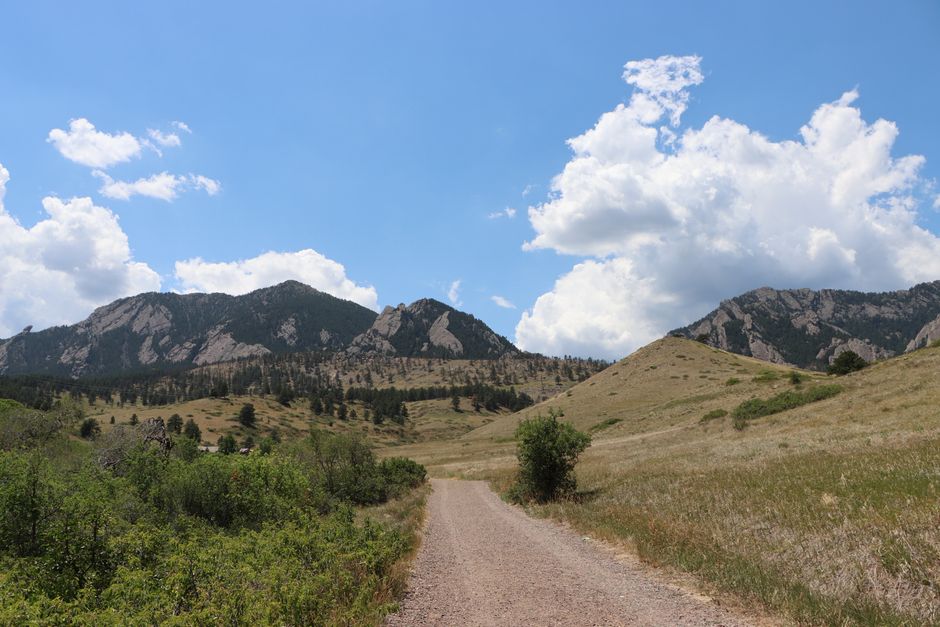
Our summers feel manageable because the humidity stays low. Sweat evaporates quickly, so you may not notice how much fluid you’re losing on a hike up Table Rock or an afternoon watching a soccer game at Settlers Park. That’s exactly what makes high-desert heat deceptive. By the time you feel thirsty, you’re already behind, and older adults often feel thirst less reliably than younger people do.
Altitude adds another layer. Boise sits at about 2,700 feet, and much of the recreation around us climbs higher. Thinner, drier air pulls moisture from your skin and lungs faster than most people expect, even when you’re just sitting outside.
What “Hydrated” Actually Means
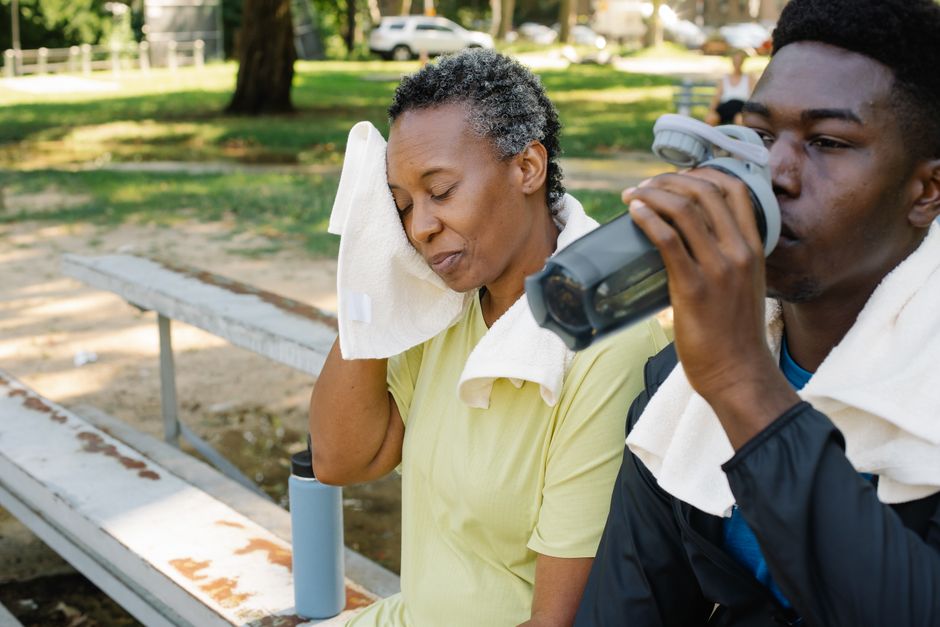
Hydration isn’t only about water. Your body needs a balance of fluid and electrolytes—sodium, potassium, and chloride in particular. When you sweat heavily and replace only with plain water, you can dilute those electrolytes and end up feeling worse: headache, nausea, muscle cramps, confusion. This is more common than people realize, especially in endurance athletes and outdoor workers.
For most people on a normal day, water is enough. When you’ve been sweating for more than an hour, or when you’re recovering from a stomach bug, a drink with some sodium and a little sugar (a sports drink, broth, or an oral rehydration solution) does the job better than water alone.
High Blood Pressure and Heat: A Tricky Combination
Heat causes blood vessels to dilate, which can lower blood pressure on its own. Add a diuretic (“water pill”) like hydrochlorothiazide or furosemide, and the effect stacks. Patients who feel fine at 75 degrees may feel lightheaded, weak, or unsteady when the temperature climbs. Standing up quickly from a chair or getting out of a hot car is a common trigger for near-fainting episodes.
If you take blood pressure medication and you’re feeling repeatedly dizzy in the heat, don’t stop your medication on your own. Call your primary care provider. Sometimes we adjust doses seasonally, and sometimes the symptom points to something else entirely.
Diabetes: Dehydration Raises Blood Sugar
When you’re dehydrated, glucose in your bloodstream becomes more concentrated. For people with type 1 or type 2 diabetes, that can mean higher readings even when nothing else has changed. High blood sugar then causes more urination, which causes more dehydration—a loop that can escalate quickly, especially in older adults or anyone taking SGLT2 inhibitors like empagliflozin or dapagliflozin.
On hot days, check your blood sugar more often than usual. Keep water within reach, and pay attention to symptoms like unusual fatigue, fruity breath, or rapid breathing. Those warrant a same-day call, not a wait-and-see approach.
Kidney Concerns and the Medications That Complicate Them
The kidneys are the organ most immediately affected by dehydration. For patients with chronic kidney disease, a single hot day combined with reduced fluid intake can nudge kidney function measurably worse. Certain common medications—ibuprofen and naproxen, ACE inhibitors, ARBs, and diuretics—increase that risk. Clinicians sometimes call this combination the “triple whammy,” and it’s a leading cause of preventable acute kidney injury.
If you have kidney disease, are on dialysis, or take any combination of the medications above, talk with your provider about a hot-weather plan before you need one. That might include adjusting NSAID use, spacing out diuretic doses, or setting a daily fluid target that fits your specific situation.
When to Call Your Primary Care Provider Instead of Just Drinking More
Drinking more water is a reasonable first step for mild symptoms like thirst, dry mouth, or a slight headache after time outside. But some signs mean it’s time to pick up the phone rather than the water bottle. Call your provider the same day if you notice dizziness that doesn’t resolve after resting and rehydrating, urine that’s very dark or notably reduced, confusion or unusual sleepiness in an older adult, blood sugars running significantly higher than your normal range, or vomiting that prevents you from keeping fluids down.
Go to the emergency room for fainting, chest pain, seizure, or a body temperature above 103 with hot, dry skin and confusion—those are signs of heat stroke, which is a medical emergency.
Building a Simple Hot-Weather Plan
The families we see for primary care in Meridian, Idaho and across the Treasure Valley tend to do best when they think ahead rather than react. Start your day with a glass of water before coffee. Keep a bottle in the car. Do outdoor work and exercise before 10 a.m. or after 7 p.m. when possible. Check on older neighbors and relatives during heat waves, especially those living alone. If you’re managing a chronic condition, ask at your next visit whether any of your medications need a summer adjustment.
If it’s been more than a year since you’ve reviewed your medications, or if you’ve noticed heat affecting you differently this summer, schedule a visit before the next stretch of hot days. A short conversation now is far easier than an urgent call in August.
Featured image: Photo by Liliana Drew on Pexels.